The Korean scalp care routine for an oily scalp, step by step
What the Korean scalp care routine actually involves for an oily scalp: the weekly cadence, scalp double cleansing, which botanical ingredients do what, and realistic results.
8 min read
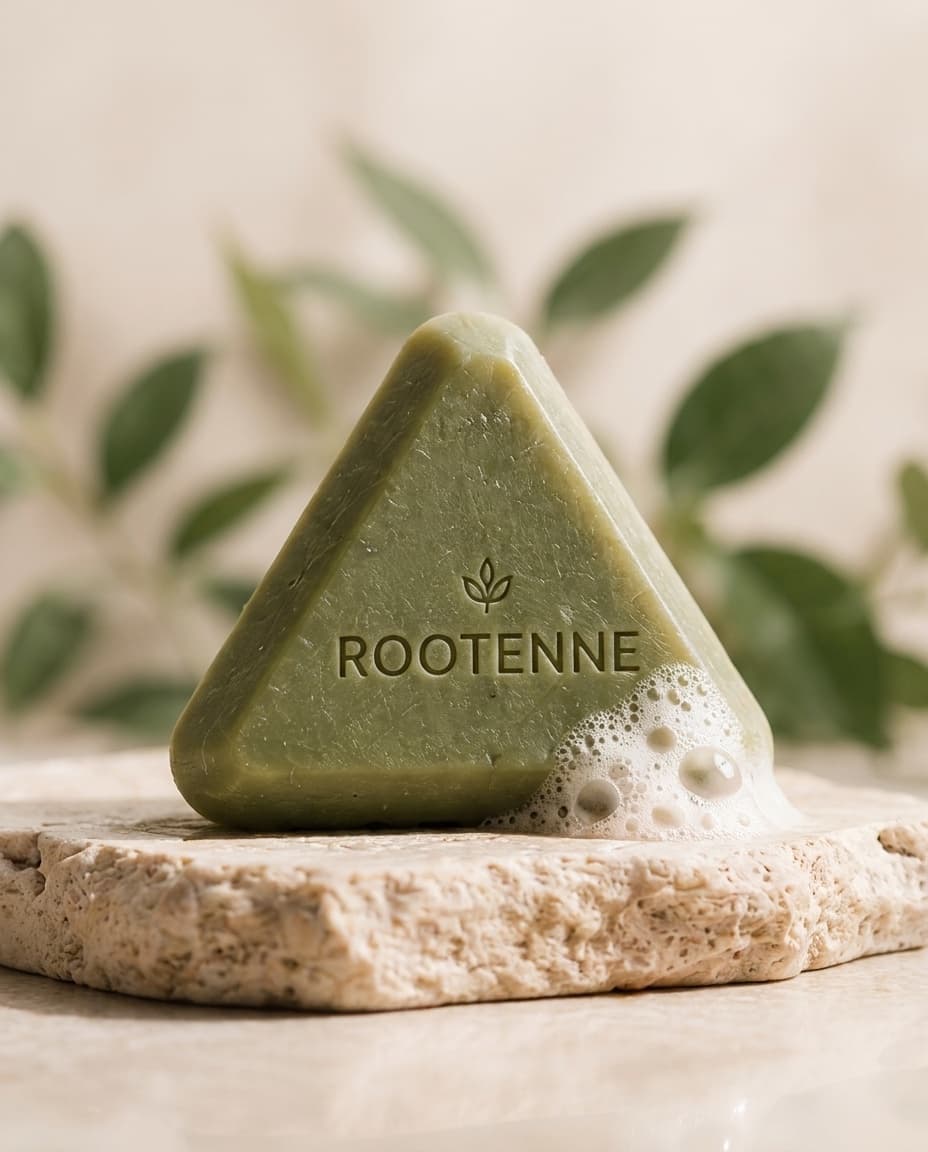
The Korean scalp care routine treats the scalp as skin: it is cleansed, exfoliated and soothed on its own schedule, the way a face is, rather than being an afterthought to washing hair. For an oily scalp the practical core is small — a short two-pass cleanse aimed at the roots, about a minute of fingertip massage, a weekly exfoliation, and conditioner kept strictly off the scalp.
Two clarifications before the steps. “Korean” here describes a method and a set of botanical ingredients, not a country of manufacture — ours is a Korean-inspired formula. And the viral ten-step version is a retail construct: in practice the routine has four parts, and the two that change how an oily scalp behaves are cleansing technique and frequency.
What is the Korean scalp care routine?
It is a scalp-first approach to hair washing built on four moves: cleanse the scalp directly, exfoliate it about once a week, massage it, and condition only the lengths. In South Korea scalp care has existed as a category of its own for years — separate from hair care, with dedicated clinics and products such as scalp scalers, tonics and ampoules — which is why the vocabulary translates awkwardly into Western routines that only sell shampoo and conditioner.
The underlying idea is the one the industry now calls skinification: apply the logic of facial skincare to the scalp. Clean without stripping. Respect the barrier. Think in terms of comfort, flaking and oil balance rather than only shine and volume.
Why does it focus on the scalp instead of the hair?
Because the scalp is the only living part of the system. Hair is keratin that is already dead by the time it leaves the follicle; nothing you wash with changes it structurally. The scalp, by contrast, is skin with one of the highest sebaceous gland densities on the body, alongside the face and upper chest — so it is where oil, dead cells and product residue actually accumulate.
This reframing explains a common frustration: washing daily and still having heavy, greasy roots by the evening. Most people spend two minutes distributing lather through the lengths and barely thirty seconds on the only zone that produces sebum. The Korean approach reverses that ratio, which is why the technique matters as much as the product.
What does a Korean scalp routine look like for an oily scalp?
For an oily scalp, run this on every wash day, with the exfoliating step once a week. The whole wash takes about three minutes — roughly a minute longer than a standard wash, almost all of it in massage and rinsing.
- Brush or comb before you get in. Thirty seconds on dry hair loosens surface flakes and distributes sebum away from the roots.
- Soak the scalp for 30–60 seconds in warm, not hot, water. Hot water is uncomfortable for the barrier and does not dissolve sebum faster.
- First pass: a short cleanse. Apply the cleanser at the roots — with a solid bar, two or three passes across crown, temples, nape and parting. Fifteen to twenty seconds, then rinse. This removes the obvious layer.
- Second pass: the real one. Reapply and massage with your fingertips in circles for about a minute. No nails. This is the step almost everyone skips and the one that changes results.
- Rinse for 60–90 seconds. Longer than instinct suggests. Under-rinsing is the most common cause of roots feeling heavy the next day.
- Condition from mid-lengths to ends. Never at the roots — on an oily scalp this single habit undoes the whole wash.
- Weekly: exfoliate. A scalp scaler or a silicone scalp brush, used on a damp scalp for a minute before cleansing, loosens denser buildup. Skip it entirely if the scalp is sore, broken or actively irritated.
What is scalp double cleansing, and do you need it?
Scalp double cleansing means two short washes in a row instead of one long, aggressive one: a quick first pass to clear surface oil and product, then a second pass with a proper massage that can actually reach the skin. It works because the first application spends most of its capacity on residue; the second one meets a clean surface and does the cleaning you wanted in the first place.
You need it on days when there is genuinely more to remove: two or more days since the last wash, dry shampoo, styling product, sweat or a workout. On a light day, one pass with a good massage is enough — doubling every wash is not gentler, it is just longer.
Which Korean botanical ingredients matter for an oily scalp?
Korean formulas lean on a recognisable set of botanicals, and it is worth being precise about what they do: they contribute to comfort, freshness and a cleaner-feeling scalp. None of them regrows hair, none stops shedding, and any brand telling you otherwise is selling you something a cosmetic cannot deliver.
Mugwort (Artemisia)
Centuries of use in East Asian tradition and now a staple of formulas aimed at reactive skin. Used for its calming, comforting feel on skin that reads as tight or easily irritated.
Centella asiatica
The signature K-beauty botanical, best known from facial serums. In scalp formulas it is used to help support the skin barrier and leave a feeling of comfort after cleansing.
Green tea
Rich in polyphenols and used for topical antioxidant properties. On an oily scalp its practical contribution is a clean, fresh finish without a heavy fragrance load.
Activated charcoal
Adsorbent, which is why it turns up in products aimed at oily skin. It contributes to that deep-clean feel at the roots; it is a cleansing aid, not a treatment.
Rosemary
A traditional hair-care botanical with a distinctly invigorating, cooling feel on the scalp. Popular in search results for reasons that outrun the evidence — enjoy the sensation, ignore the miracle claims.
Licorice root and peppermint
Licorice root is used in formulas aimed at sensitive skin and visible redness; peppermint provides the cooling tingle that makes an oily scalp feel genuinely clean after a wash.
How often should you wash an oily scalp?
Every one to three days, based on how your scalp feels rather than on a rule. Daily washing with a gentle, sulfate-free cleanser is fine for an oily scalp; the widely repeated idea that washing less “retrains” the scalp to produce less oil is not well supported — sebum output is driven largely by hormones and genetics, not by your washing schedule.
What washing frequency does change is buildup, which is a real and measurable thing: sebum, dead cells and product residue accumulate, and only washing removes them. If you go longer between washes, use the two-pass cleanse. And if flaking is part of the picture, work out whether it is buildup or dandruff before changing anything else, because the two need opposite things.
How is this different from a Western hair routine?
A conventional Western routine optimises for the strands: abundant lather, strong fragrance, immediate slip through the lengths, usually via silicones and conditioning agents that deposit on the hair. The Korean scalp routine optimises for the skin under the hair, and lets the lengths benefit indirectly.
The differences that show up in practice:
- Where the product goes. Roots first, deliberately, instead of piled on top of the head.
- Time spent. Roughly a minute of massage, versus a few seconds of distribution.
- What is left behind. Silicone-free formulas leave nothing that accumulates near the roots.
- Weekly exfoliation. Standard in Korean routines, almost absent in Western ones.
If you are combining this routine with a switch to a solid format, expect a short adjustment phase first — see the shampoo bar transition period for what is normal and what is not.
What results are realistic, and how long do they take?
Expect roots that feel cleaner and lighter within the first few washes, and a clearer sense of whether the routine suits you after three to four weeks. That timeframe is not arbitrary: skin cells turn over roughly every month, so a month is about the shortest honest window for judging a change in scalp routine. Hair itself grows around one centimetre a month, so your lengths will look much as they did.
What a Korean-inspired routine can reasonably deliver:
- A deep cleanse that helps remove excess sebum and accumulated residue.
- A comfortable, fresh-feeling scalp after washing.
- Roots that look lighter and less flat, most noticeably on day two.
- Less visible flaking where it was caused by buildup rather than by a skin condition.
And the limits, stated plainly: it does not make hair grow, does not slow shedding, and does not treat dandruff, seborrhoeic dermatitis or psoriasis. Persistent flaking, intense itching, sore patches or a change in hair density are reasons to see a GP or dermatologist. A good cleanser supports a treatment; it never replaces one.
Frequently asked questions
Do I need all ten steps I have seen online?
No. The ten-step format is a retail packaging of the idea, not a requirement. Cleansing technique, washing frequency and keeping conditioner off the roots account for most of the benefit; tonics, ampoules and serums are optional refinements.
Is a scalp scaler necessary?
It helps with dense buildup, once a week at most, but a silicone scalp brush or simply your fingertips achieve much of the same mechanical effect. Skip exfoliation entirely on an irritated or broken scalp.
Does this routine work for men?
Yes — the scalp works the same way regardless, and shorter hair actually makes the routine easier, since the cleanser reaches the skin with almost no effort and rinsing is quicker.
Can I follow it with hard water?
Yes, with one adjustment. In hard-water areas, calcium and magnesium react with soap-based cleansers and leave a film, so add a diluted acidic rinse once or twice a week and rinse for longer. Check your water hardness with your local utility — most publish it by postcode or ZIP code.
Can I use a hair oil on an oily scalp?
On the lengths, yes. On the scalp, treat it as an occasional pre-wash step at most: leaving oil on an already oily scalp between washes adds to exactly the buildup the routine is designed to remove.
Sigue leyendo
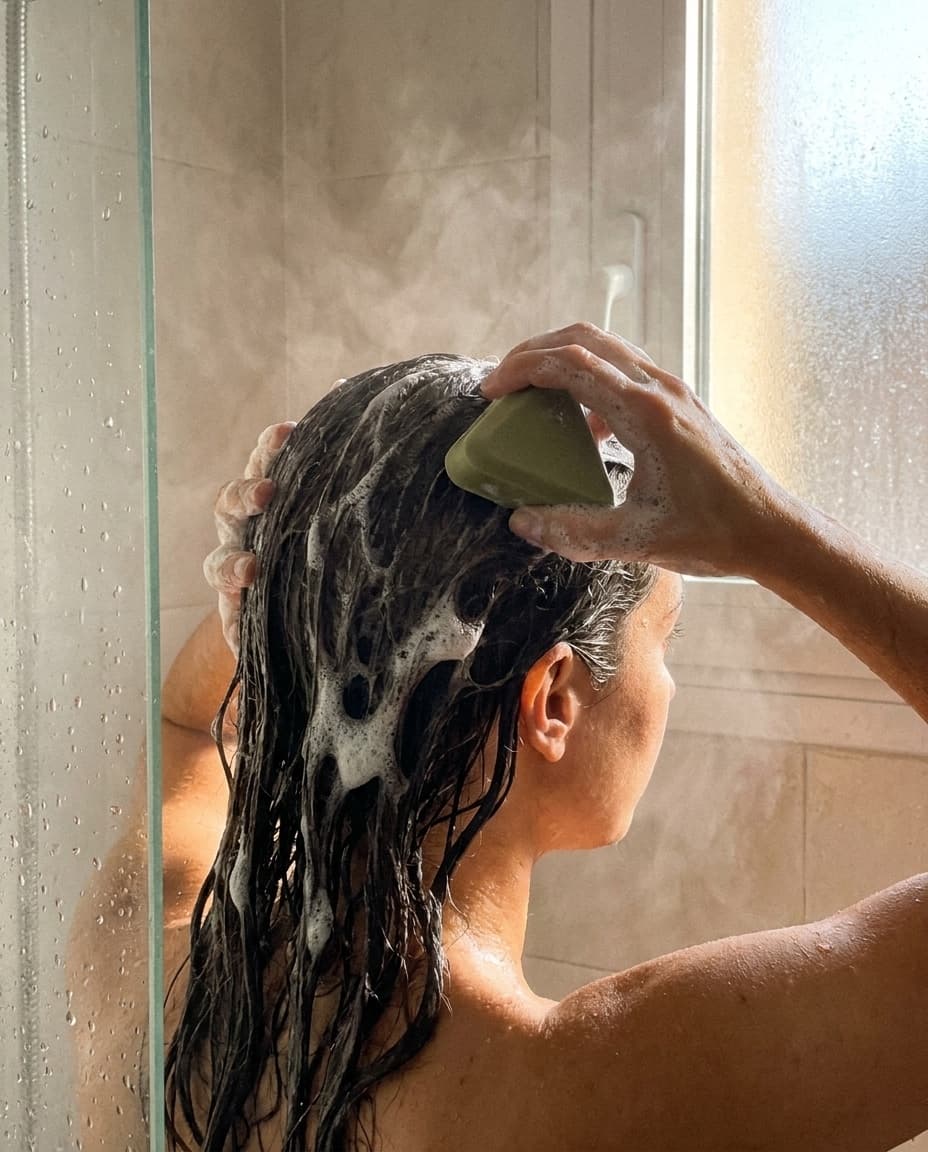
Shampoo Bar Transition Period: How Long It Lasts and How to Shorten It
One to four weeks of waxy, heavy hair is normal after switching to a bar. Here is what causes it, and the three fixes that shorten it.
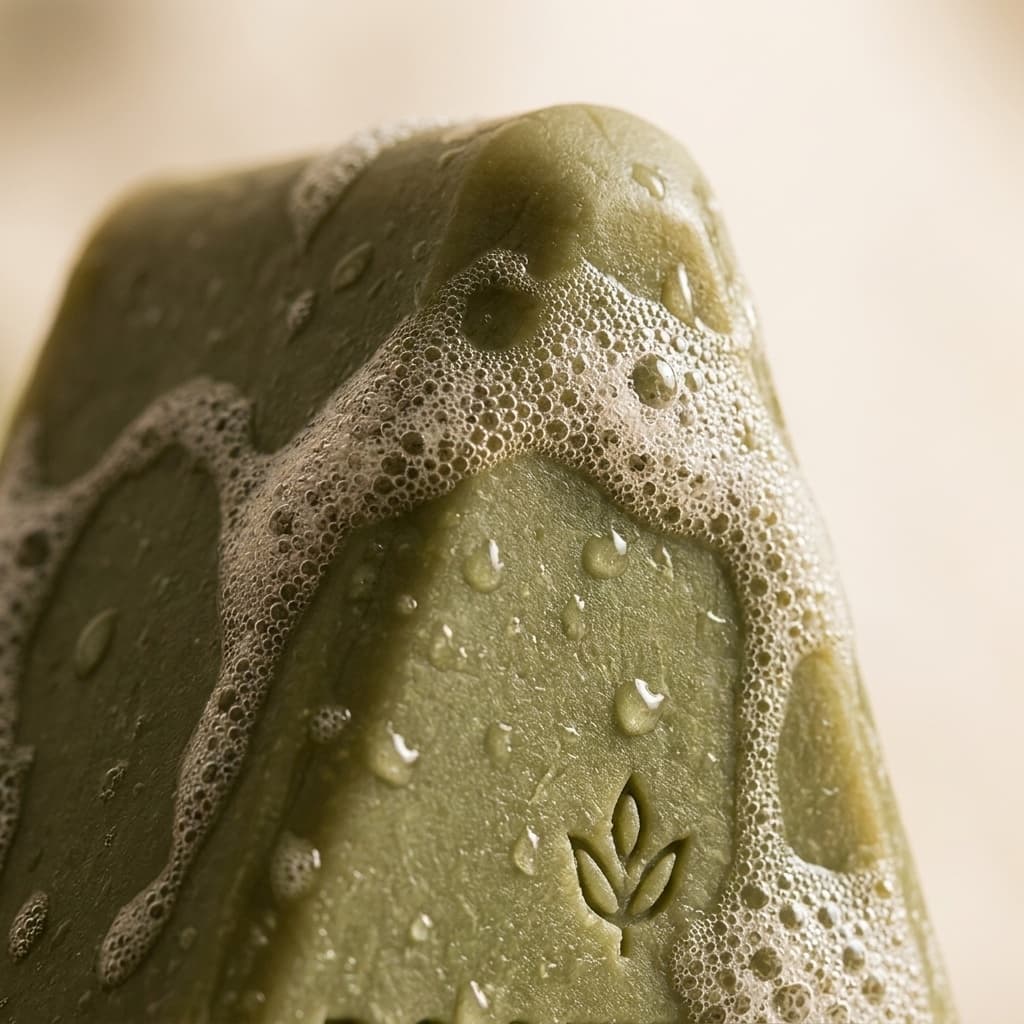
Scalp Buildup vs Dandruff: How to Tell Which One You Have
Waxy yellow flakes near the hairline and small white flakes across the crown are two different problems. Here is the at-home test that separates them.