Scalp buildup vs dandruff: how to tell the difference, and what each one needs
Scalp buildup and dandruff produce very different flakes. How to tell them apart at home in one wash, what causes each, and why treating the wrong one wastes months.
8 min read
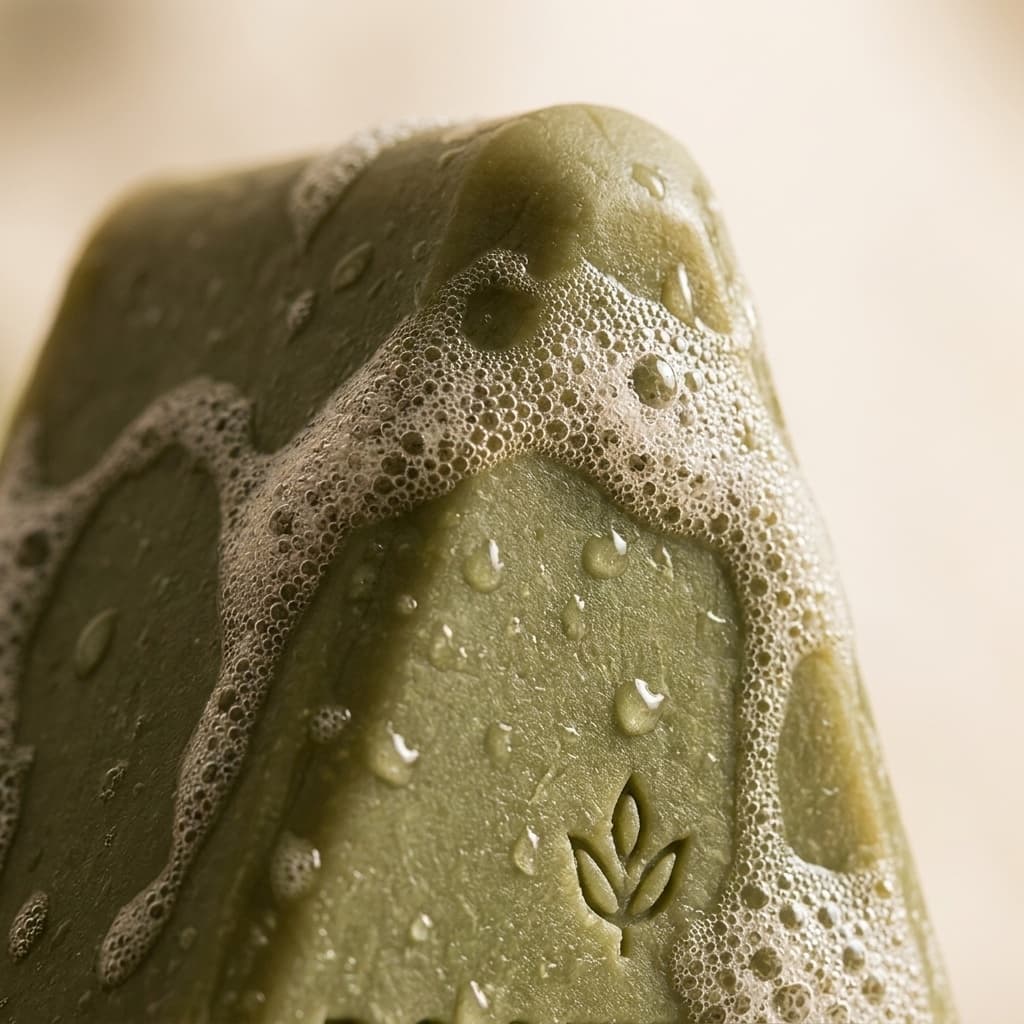
Scalp buildup is dead skin, sebum and product residue sitting on the surface of the scalp. Dandruff is a flaking condition driven by inflammation and by a yeast that lives on almost everyone’s skin. They look superficially similar in the mirror, but they respond to completely different things — which is why people spend months on an anti-dandruff shampoo that was never going to help, or scrub harder at a scalp that needed an anti-fungal active instead.
The good news is that you can usually tell them apart at home, in one wash, using the flakes themselves. Here is how.
What is the difference between scalp buildup and dandruff?
Scalp buildup is an accumulation problem: dead skin cells, sebum, sweat and leftover styling product bind into a layer that sits on the scalp and lifts off in waxy, yellowish, sticky flakes. Dandruff is a skin condition: flakes are small, dry, white or grey and powdery, and they usually come with itching and sometimes redness. Buildup is caused by what you put on your head and how well you rinse it off. Dandruff is not, and no amount of extra washing removes it for good.
Side by side, the differences that actually help you decide:
- Flake texture. Buildup flakes are larger, waxy and slightly greasy between your fingers. Dandruff flakes are fine, dry and crumble to powder.
- Colour. Buildup skews yellowish or beige. Dandruff is white to grey.
- Location. Buildup concentrates where product lands and rinsing is worst: the hairline, behind the ears, the nape. Dandruff spreads across the crown and often shows up on the eyebrows or beside the nose too.
- Response to washing. Buildup mostly rinses away and returns gradually as product re-accumulates. Dandruff comes back within a day or two regardless.
- Itch. Buildup can feel heavy or occluded but rarely itches badly. Persistent itch, especially with visible redness, points to dandruff or seborrhoeic dermatitis.
How can I tell which one I have at home?
Run this three-part check on a wash day. First, part your hair in a bright light and scrape a flake onto your fingertip: if it smears and feels waxy, it is buildup; if it crumbles dry, it is dandruff. Second, wash normally and look again 24 hours later: buildup stays gone for several days, dandruff returns almost immediately. Third, check whether the flaking is accompanied by itching and redness — that combination points away from buildup.
A fourth clue is your own routine. If you use dry shampoo, texturising spray, gel, wax, leave-in conditioner or heat protectant most days, and you wash twice a week or less, buildup is statistically the more likely explanation. If your product use is minimal and you still flake, that argues for dandruff.
What causes scalp buildup?
Scalp buildup forms when three things accumulate faster than washing removes them: sebum, dead skin cells and product residue. The scalp is one of the most sebaceous-gland-dense areas of the body, alongside the face and upper chest, and skin cells turn over roughly every month — so there is a constant supply of raw material. Add hair products, sweat and, in hard-water areas, mineral deposits, and the layer thickens.
Four habits do most of the damage, and all four are correctable:
- Applying conditioner or masks at the roots. These are formulated to cling. At the scalp they are pure occlusion.
- Rinsing too briefly. Under-rinsing leaves loosened residue to settle back down as hair dries. Sixty to ninety seconds is a realistic target.
- Washing the hair but not the scalp. Piling lather on top of the head cleans the strands. The scalp needs fingertips and about a minute of contact.
- Dry shampoo between washes. It absorbs oil, but it does not leave; it sits there until a wash removes it, and several days of it stack up.
Silicone-heavy formulas make all of this worse because they are designed to deposit and resist rinsing. If you have recently switched to a solid bar and things feel heavier rather than cleaner, that is a separate and temporary phenomenon — see the shampoo bar transition period.
What causes dandruff?
Dandruff is associated with Malassezia, a yeast that lives on the skin of nearly all adults and feeds on scalp sebum. In susceptible people the by-products of that process irritate the skin, which speeds up cell turnover and produces visible flaking and itch. It is not caused by poor hygiene, and dermatology reviews commonly estimate that around half of adults experience it at some point.
Because the mechanism is biological rather than cosmetic, dandruff responds to specific active ingredients rather than to better cleansing. The ones with genuine over-the-counter evidence are zinc pyrithione, ketoconazole (usually 1% OTC, 2% by prescription in some markets), selenium sulfide, salicylic acid and coal tar. A gentle cleanser can make a flaky scalp more comfortable and helps clear the loose flakes, but it is not a substitute for a medicated product when one is needed. Nothing sold as a cosmetic, including our own bar, cures dandruff — and anything claiming to should be treated with suspicion.
Can you have both scalp buildup and dandruff at once?
Yes, and it is common. Dandruff makes the scalp shed more cells, which gives buildup more raw material to bind with sebum and product; buildup, in turn, traps sebum against the scalp, which is what the yeast feeds on. That loop is why people who treat only one side of it feel like they are making no progress.
The practical sequence when both are present is to alternate: use a medicated shampoo on the schedule its label specifies, and on the other wash days use a gentle, non-depositing cleanser with proper scalp technique, keeping conditioner off the roots. If your medicated shampoo is working but flaking creeps back between uses, buildup is usually the reason.
How do you clear scalp buildup?
Buildup clears with technique more than with products. The scalp needs direct contact, about a minute of fingertip massage, and a rinse long enough to remove what the massage loosened. Most people can see a difference within two or three washes without buying anything new.
- Soak the scalp for 30–60 seconds in warm — not hot — water before any product. Hot water is uncomfortable for the scalp barrier and does not dissolve residue faster.
- Apply the cleanser to the scalp, not the lengths. With a solid bar, run it over the roots in two or three passes: crown, temples, nape, parting.
- Massage in circles with your fingertips for one minute. No nails — scratching irritates skin and makes flaking worse, not better.
- Do a short second wash when there is a lot to remove. After several days, heavy product use or a workout, two gentle passes clear more than one aggressive one.
- Rinse for 60–90 seconds. Longer than instinct suggests, especially at the nape and behind the ears.
- Condition mid-lengths to ends only. Every time.
Physical exfoliation — a scalp brush, or a scaler used once a week — helps loosen dense buildup, provided the scalp is not sore or broken. This two-pass approach is the backbone of the Korean scalp care routine, which treats the scalp as skin rather than as an afterthought to the hair.
When should you stop self-diagnosing and see a doctor?
See a GP, dermatologist or pharmacist if flaking persists after four to six weeks of a medicated shampoo used as directed, if you have thick raised plaques, weeping, sore or bleeding patches, if the itch disrupts sleep, or if flaking arrives alongside noticeable hair shedding. Those signs point to conditions such as seborrhoeic dermatitis, scalp psoriasis or tinea capitis, which need medical treatment and are not cosmetic problems.
This is worth stating plainly because the category is full of overreach: a cleanser can help remove buildup and leave the scalp feeling comfortable. It cannot diagnose, treat or cure a skin condition, and it has no role in hair loss.
Frequently asked questions
Is dry scalp the same as dandruff?
No. Dry scalp produces small, dry flakes alongside tightness and is often worse in winter or after harsh cleansing; the skin feels dehydrated rather than inflamed. Dandruff is linked to sebum and yeast, so it frequently occurs on a scalp that is oily, not dry. The tell: dry scalp usually improves with gentler washing and less heat, dandruff does not.
Can scalp buildup cause hair loss?
There is no good evidence that buildup causes hair loss. It can make hair look flatter and lifeless at the roots, and heavy scratching can damage hair mechanically, but shedding has other causes. If you are losing noticeably more hair than usual, that is a question for a doctor, not for a shampoo.
How often should I wash if I have buildup?
More often than you probably are — every two to three days for most people with an oily scalp, daily if your scalp asks for it and your cleanser is gentle. The old advice to wash less to “retrain” the scalp does not help buildup, because buildup is removed by washing, not regulated by it.
Do scalp scrubs and brushes actually work?
For buildup, yes, mechanically: they loosen a layer that a rinse alone leaves behind, which is why a minute of fingertip or brush massage is worth more than a more expensive shampoo. For dandruff they do nothing to the underlying cause, and on an already irritated scalp they can make things worse.
Sigue leyendo
Shampoo Bar Transition Period: How Long It Lasts and How to Shorten It
One to four weeks of waxy, heavy hair is normal after switching to a bar. Here is what causes it, and the three fixes that shorten it.
Korean Scalp Care Routine for an Oily Scalp: The Steps That Matter
Treat the roots like facial skin: cleanse in two short passes, massage, keep conditioner off the scalp. The method, minus the ten-step mythology.